Developed through UK secondary school pilots (2023–2025)
Phase 2 Implementation Cohort (2026–27)
A structured, school-delivered self-regulation programme supporting attendance, behaviour and inclusion in UK school settings.
Across recent UK secondary pilots:
53.2% improvement in attendance within pilot cohorts
48.2% reduction in negative behaviour incidents
100% of participating students increased positive reward points
Strong engagement from SEND and EBSA cohorts
Over the past three years, the programme has been piloted across secondary schools and multi-academy trusts as part of wider wellbeing and inclusion strategies.
Phase 2 now invites a limited number of schools to join a supported national implementation cohort.
Learn how implementation works in schools
Unlock Potential, Not Workload.
A structured, school-safe approach to supporting emotional regulation, attendance and inclusion — developed through UK school trials.
The Context Schools Are Working Within
Across England, school leaders are managing increasing levels of anxiety, emotional dysregulation and attendance challenge alongside rising expectations around inclusion and wellbeing evidence.
One in five young people in the UK now has a probable mental health disorder
(NHS Mental Health of Children and Young People Survey, 2023)
40% of teachers report considering leaving the profession within five years
(National Education Union Survey, 2024)
Schools are being asked to respond to complex emotional and behavioural need while maintaining academic standards, safeguarding responsibilities and limited capacity.
As a result, many schools are looking for approaches that support regulation at its source — helping pupils become calmer, more settled and more ready to learn, without increasing staff workload.
9D Schools has been developed within this context, working alongside existing pastoral, SEND and inclusion provision rather than replacing it.
What Schools Are Seeing So Far

Across recent UK school trials, participating schools have reported:
Increased engagement from students who typically struggle with talking-based or traditional interventions
Strong uptake among SEND and EBSA cohorts
Calmer learning environments following sessions
Improved readiness to learn reported by teaching staff
Consistent delivery without increasing staff workload
Alongside measurable outcomes, schools consistently report increased student confidence in managing stress and emotions independently.
Case Study Example: Sigma Trust (Five Secondary Schools)
Delivered as an 8-week structured programme across five secondary schools:
53.2% improvement in attendance within the pilot cohort
48.2% reduction in negative behaviour incidents
100% of participating students showed an increase in positive reward points
“9D Breathwork has provided tangible evidence that we are actively addressing behaviour, attendance, wellbeing and inclusion — particularly for SEND pupils — in direct alignment with Ofsted priorities.”
— Sigma Trust Attendance & Behaviour Lead
Case Study Example: Sandbach High School & Sixth Form College
55.6% of students improved attendance during the programme
66.6% of participating students maintained 100% attendance across the programme period
“My student seems far more settled than in the previous school year. Notable improvement in attendance from last year, far less withdrawn.”
— Form Tutor
Supporting Ofsted Priorities
Schools have mapped delivery against the new key Education Inspection Framework areas from November 2025, including:
Behaviour and Attitudes — supporting self-regulation and calmer routines
Personal Development — building emotional literacy and resilience
Inclusion — improving access for SEND and emotionally vulnerable pupils
Leadership and Governance — evidence-informed intervention and impact evaluation
The programme provides schools with measurable wellbeing, attendance and engagement data that supports ongoing evaluation of inclusion and behaviour strategies.
WHY BREATHWORK IN SCHOOLS?
Breathwork is a structured method of influencing the nervous system through controlled breathing patterns. When delivered appropriately, it provides students with a practical tool for managing stress responses, improving focus and returning to a regulated state more quickly.
In a school context this supports:
Emotional regulation and readiness to learn
Reduced escalation during moments of stress or conflict
Improved concentration and classroom engagement
Development of emotional literacy and self-awareness
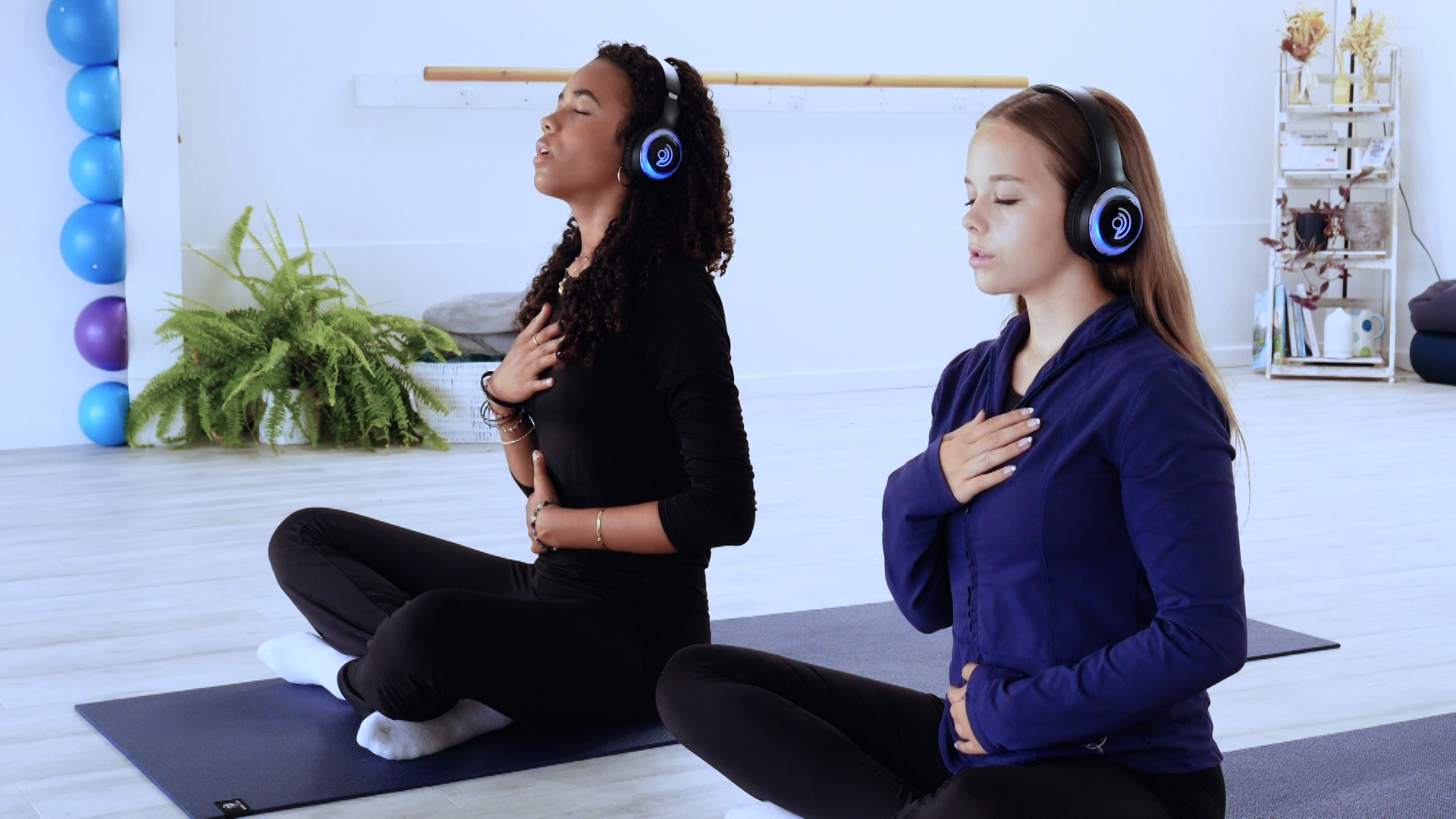
Unlike many wellbeing interventions, breathwork requires no referral process and can be used immediately by students in classrooms, exams, social situations and at home.
How Delivery Works in Schools
The programme is designed to fit within existing school structures rather than creating additional workload.
Delivery includes:
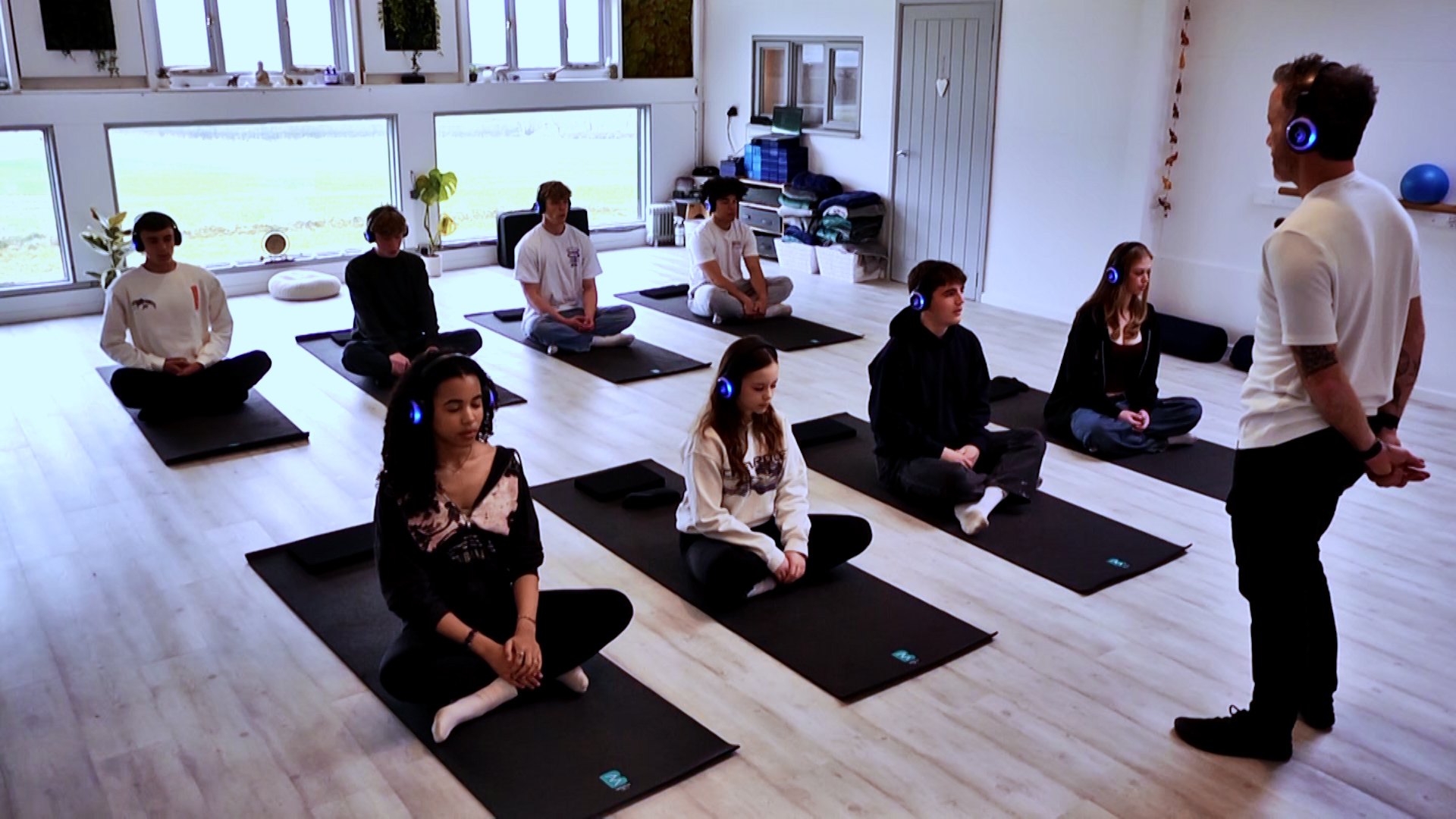
Structured, guided sessions delivered via immersive audio and headsets
Sessions facilitated by trained school staff following onboarding and CPD
Predictable, sensory-considerate format suitable for SEND and EBSA contexts
Flexible use within PSHE, PE, form time, targeted intervention groups or enrichment provision
Because sessions are video-led and standardised, delivery remains consistent across staff and cohorts while maintaining safeguarding oversight.
Alignment with School Priorities
Schools involved in the pilot phase have primarily implemented the programme to support:
Behaviour and Attitudes
Personal Development
Inclusion and SEND provision
Attendance improvement strategies
Staff wellbeing and sustainability
The programme allows schools to evidence:
Proactive approaches to emotional regulation
Measurable wellbeing outcomes
Inclusive practice supporting access to learning
Structured interventions with identifiable impact
This supports inspection conversations where schools are expected to demonstrate not only provision, but effectiveness.
What Is Included in the Programme
Schools joining the Phase 2 cohort receive:
Staff onboarding and CPD training
Access to the 9D Schools digital platform
Structured session library for students and staff
Immersive audio headsets for delivery
Implementation guidance and ongoing support
Data collection and reporting tools (including wellbeing measures)
Curriculum-aligned resources for delivery within school settings
The programme is designed as an implementation partnership rather than a standalone resource.
Who This Programme Is Designed For
Applications are welcomed from:
Secondary schools and sixth form colleges
Multi-academy trusts exploring scalable wellbeing provision
Schools experiencing rising anxiety, EBSA or behaviour challenges
Schools developing inclusive and preventative approaches to wellbeing
Leadership teams seeking measurable impact alongside practical delivery
Schools Typically Join the Programme When:
Attendance or EBSA has become a strategic priority
Existing wellbeing approaches are not reaching disengaged pupils
Inclusion teams are seeking non-verbal or sensory-considerate interventions
Staff capacity limits introduction of labour-intensive initiatives
Leadership teams are looking for measurable wellbeing and behaviour impact
Investment and Phase 2 Rollout
Phase 1 of the programme focused on pilot delivery and evidence gathering across participating schools.
Phase 2 represents the first supported rollout phase. Schools joining at this stage access reduced early-adopter pricing while contributing to ongoing service evaluation and implementation learning across participating schools.
Investment varies depending on school size and implementation scope and is discussed following application review.
The programme aligns with common funding streams including:
Pupil Premium
Recovery Premium
Inclusion and wellbeing budgets
CPD allocations
Up to 20 schools or trusts will be accepted into this cohort.
Application Process
The application process helps ensure the programme is implemented in schools where it aligns with current priorities and capacity for delivery.
Following submission:
1. Applications are reviewed by the Schools Programme team
2. A short implementation conversation is arranged
3. Schools receive confirmation and onboarding timelines if successful
Cohort Readiness Criteria
To ensure successful implementation, schools joining the Phase 2 cohort typically have:
A named senior leader overseeing attendance, behaviour or inclusion
Capacity for 1–2 staff to complete onboarding and lead delivery
Clear student cohorts identified for initial implementation
Leadership commitment to reviewing impact data over a 6–8 week cycle
Budget identified from existing wellbeing, inclusion or CPD allocation
If you are unsure about any of the above, we are happy to discuss suitability before submission.
Cohort size is capped at 20 schools or trusts to ensure implementation support remains high-quality and responsive.
INTERESTED?
SUBMIT YOUR APPLICATION BELOW
1. School Information
2. Contact Information
3. Current Provision
4. Interest and Priorities
5. Capacity and Commitment
6. Measuring Success
7. Feedback or Comments
Whether your school is actively seeking a new approach or exploring how regulation-based practice could support existing provision, this process is intended to provide a clear, informed understanding of how the programme works in real school environments.
Copyright 2026. All rights reserved. 9D Breathwork, Sheridan, WY 82801